Stucco Siding: A Comprehensive Guide

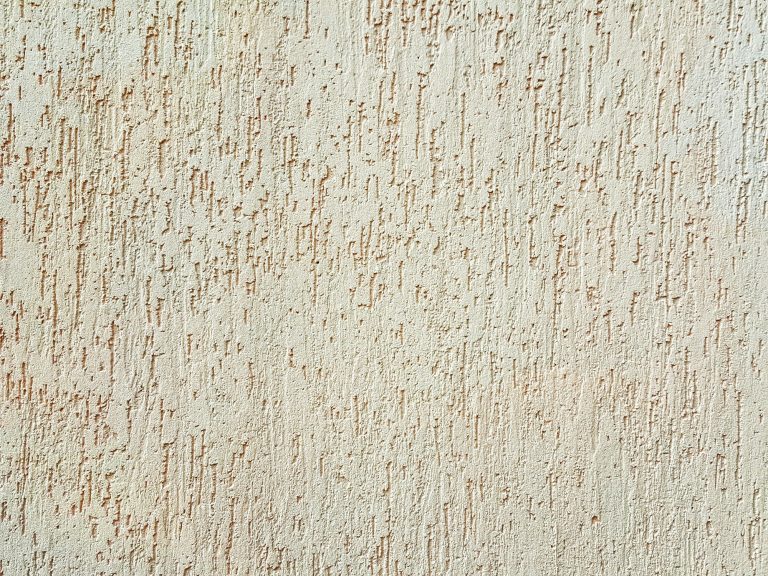
Striated Stucco Wall Tileable Texture.
Buyer’s Guide · Siding Systems

Stucco Siding: A Contractor’s Complete Guide (2025)

Stucco is one of the oldest and most durable exterior cladding systems available — and one of the most varied in terms of what “stucco” actually means on a given property. This guide covers what it is, what it costs, how long it lasts, and how it compares to alternatives so you can make an informed decision.

Kamil — Owner, JARART LLC 8 min read Updated 2025

When homeowners ask “is stucco siding good?” the honest answer is: it depends entirely on which stucco system you’re talking about, how it was installed, and what your property’s specific conditions are. The same word covers systems that range from the most durable exterior cladding you can put on a wood-framed house to a failed 1990s EIFS installation that needs $40,000 in remediation.

JARART LLC has installed and repaired all three major stucco systems across New Jersey and Pennsylvania for over a decade. This guide is written for someone at the beginning of the decision process — evaluating whether stucco is the right choice for a new installation, a renovation, or a home purchase. If you’re already past that decision and need technical guidance, see our specific guides on stucco installation, stucco repair, and EIFS vs traditional stucco.

50–80
year rated lifespan for correctly installed hard-coat stucco siding
$8–18
per sq ft installed cost range across all three stucco systems in NJ & PA (2025)
1-hr
fire resistance rating for Portland cement stucco — one of the best of any exterior cladding

What Stucco Siding Actually Is

“Stucco siding” is a general term that encompasses several distinct cladding systems. What they share: a cement-based or acrylic-based finish coat that produces a seamless, plaster-like exterior surface. What differs significantly between them: the substrate, the installation method, the moisture management design, and the performance characteristics.

The core composition of traditional Portland cement stucco — cement, lime, sand, and water — is essentially unchanged from formulations used in construction for centuries. Modern additions include polymer and acrylic additives that improve flexibility and adhesion in the finish coat. EIFS systems use a different chemistry entirely for the finish coat (100% acrylic) while retaining a cement-based base coat.

The most important thing to understand about stucco as a siding system: it is a concealed weather-barrier system. The visible stucco surface is the outermost layer of a multi-layer wall assembly. The actual waterproofing function is performed by a weather-resistant barrier (WRB) installed against the sheathing, behind the lath and stucco. The stucco face absorbs and releases moisture; the WRB stops that moisture from reaching the framing. This design — when installed correctly — is extremely effective. When the WRB or flashing is compromised, the failure mode is hidden moisture damage that can accumulate for years behind a surface that looks intact.

The Three Stucco Systems — What’s on Your House

If you’re evaluating an existing home or planning a new installation, understanding which system applies matters significantly for cost, performance, and maintenance expectations.

Traditional hard-coat (three-coat) stucco

The classic system: weather-resistant paper over sheathing, metal lath fastened through the paper into the studs, scratch coat pressed into the lath, brown coat (leveling), and finish coat. Total assembled thickness is approximately 7/8 inch. This is the system that has been used for over a century on American homes and produces the rock-hard, impact-resistant surface that traditional stucco is known for. When properly installed and maintained, it is genuinely one of the most durable exterior cladding systems available. Prone to hairline thermal cracking in NJ and PA’s freeze-thaw climate — normal and cosmetic when transitions and caulk are maintained.

EIFS (Exterior Insulation and Finish System)

Rigid EPS foam insulation adhered to the sheathing, fiberglass mesh-reinforced base coat, and acrylic finish coat. Often called “synthetic stucco” because it mimics the appearance of traditional stucco. Provides meaningful insulation value (R-4 to R-5.6 per inch of foam) that traditional hard-coat cannot match. Modern drainage-plane EIFS systems include a drainage layer between the foam and sheathing that addresses the documented moisture failures of 1990s barrier-EIFS. If a home was built or re-sided in the 1990s–early 2000s, it may have the older barrier system — which warrants moisture inspection before purchase. Full comparison: EIFS vs traditional stucco.

Cement board stucco

High-density fiber cement panels mechanically fastened to the framing, with base coat and acrylic finish applied over the panels. Bridges the gap between EIFS’s finish versatility and hard-coat’s impact resistance. Best suited for commercial properties, high-impact residential applications, and renovations where foam installation is impractical. Full breakdown: cement board stucco guide.

System Impact resistance Insulation Crack resistance Installed cost (NJ/PA)
Traditional hard-coat High None (~R-0.2) Lower — thermal cracking normal $8–$12 / sq ft
EIFS (drainage-plane) Low–Medium High (R-4+/inch) High — flexible acrylic $10–$15 / sq ft
Cement board stucco High Low–Medium Medium — seam-dependent $13–$18 / sq ft

Real Advantages of Stucco Siding

Fire resistance

Portland cement stucco provides a 1-hour fire resistance rating as a wall assembly — one of the highest of any exterior siding material. Cement doesn’t burn, and the continuous, gap-free coverage of a stucco facade eliminates the pathways through which fire travels in lap siding systems. For NJ and PA homeowners in areas with wildfire risk or who are sensitive to fire-related insurance implications, this is a meaningful advantage. EIFS is less fire-resistant due to the EPS foam substrate, though the cement base coat provides some protection.

Pest resistance

Stucco provides no food or harborage value for termites, carpenter ants, or woodpeckers — the pests most damaging to wood-framed exterior cladding. Traditional hard-coat and cement board stucco are completely impervious to woodpecker activity. EIFS foam is vulnerable to woodpecker drilling (birds find the hollow sound attractive as a drumming surface), which is one scenario where cement board or hard-coat is specifically preferred. For homes in wooded NJ and PA locations with documented woodpecker activity, the system choice matters.

Aesthetic versatility

Stucco’s finish coat can be applied in dozens of textures — from glass-smooth to heavy dash to sand float — and any of thousands of factory-mixed or site-tinted colors. Unlike fiber cement or vinyl siding where you’re working within a manufacturer’s profile and color library, stucco allows fully custom color formulation and texture selection. For architecturally distinctive homes or renovation projects where matching an existing aesthetic precisely is important, stucco’s customizability is a genuine advantage.

Longevity when properly maintained

A correctly installed traditional hard-coat stucco system, properly maintained at transitions and caulk joints, can genuinely last 50–80 years. EIFS systems, while shorter-lived (30–50 years for modern drainage-plane systems), still significantly outlast vinyl siding’s typical 20–30 year functional lifespan. The key phrase is “properly maintained” — stucco’s longevity depends on twice-yearly inspection and prompt attention to caulk and drainage. See our guide on extending stucco lifespan for specifics.

Sound attenuation

Stucco’s mass — particularly traditional hard-coat with its 7/8″ assembled thickness — provides measurable sound attenuation compared to hollow-profile siding systems. For homes adjacent to roads, commercial areas, or in multi-family contexts, stucco’s mass is an acoustic benefit that vinyl and aluminum siding cannot match.

Honest Limitations

Hidden damage is the primary risk

Stucco’s biggest practical limitation is that when it fails, the damage is hidden. A wood-framed house with vinyl siding that has a moisture problem shows it: the siding warps, buckles, or discolors. Stucco can conceal $30,000–$80,000 in structural rot behind a surface that looks completely normal. This is not a reason to avoid stucco — it’s a reason to maintain it correctly and inspect it carefully when purchasing a stucco home. The buyer’s inspection checklist addresses this directly.

Repair complexity and color matching

Repairing stucco correctly — particularly achieving a seamless color and texture match — requires skill and familiarity with the specific system type. This is more complex than vinyl or fiber cement siding repair. Small repairs by inexperienced contractors often remain visible as patches that don’t quite match the surrounding surface. This isn’t a maintenance cost issue (total repair costs over a stucco lifespan are typically low) — it’s a quality-of-execution issue that makes contractor selection important.

Initial installation cost

Stucco installation is more labor-intensive than vinyl or fiber cement siding. At $8–$18 per square foot installed depending on the system, stucco costs more upfront than vinyl ($3–$8/sq ft) and is comparable to or slightly above fiber cement ($6–$12/sq ft). Against a 50+ year rated lifespan vs. 20–30 years for vinyl, the lifetime cost comparison shifts — but the upfront investment is higher.

Temperature sensitivity during installation

Traditional hard-coat stucco requires temperatures between 40°F and 90°F during application and curing. This narrows the installation window in NJ and PA — effectively April through October for most years, with specific attention to overnight temperatures in spring and fall. EIFS and cement board systems have wider installation windows due to their different substrate characteristics.

Cost: Installation and Lifetime

Installation costs (NJ & PA, 2025)

System Material cost Installed total Notes
Traditional hard-coat $3–$5 / sq ft $8–$12 / sq ft Labor-intensive; 3 separate coats with cure time between
EIFS (drainage-plane) $4–$7 / sq ft $10–$15 / sq ft Foam + drainage mat + base coat + finish; faster than hard-coat
Cement board stucco $6–$9 / sq ft $13–$18 / sq ft Board cost + mechanical fastening + seam treatment + finish

For a typical NJ single-family home with 2,000 sq ft of exterior wall area, total installed cost ranges from $16,000–$36,000 depending on system and existing wall condition. This compares to $6,000–$16,000 for vinyl siding replacement and $12,000–$24,000 for fiber cement siding. The stucco premium buys fire resistance, longevity, aesthetic distinctiveness, and (with EIFS) meaningful thermal performance.

Ongoing maintenance costs

Annual stucco maintenance costs on a well-maintained home are minimal — primarily caulk replacement at windows and doors as needed ($150–$400 every 10–15 years per professional application), and occasional touch-up painting or sealing. Major repairs — sheathing replacement, section rebuilding — are needed only when water intrusion has been deferred. Catch problems at the caulk-failure stage and the lifetime maintenance cost of stucco is genuinely low.

Stucco vs Other Siding Options

Property Stucco (hard-coat) Vinyl siding Fiber cement Brick veneer
Installed cost $8–$12/sq ft $3–$8/sq ft $6–$12/sq ft $15–$30/sq ft
Lifespan 50–80 years 20–30 years 30–50 years 75–100+ years
Fire resistance Excellent (1-hr rating) Poor — melts Good Excellent
Insulation Minimal Minimal (unless insulated) Minimal Minimal
Impact resistance High Medium — dents Good Very high
Repair complexity Medium — color match required Low — panel replacement Medium Medium — repointing
Design flexibility High — infinite textures/colors Limited to profiles/colors Good Limited to brick types
Moisture damage visibility Low — hidden behind surface High — siding warps/buckles Medium Medium

Lifespan and What Determines It

The 50–80 year rated lifespan for traditional hard-coat stucco is achievable — we’ve seen NJ homes with intact original stucco from the mid-20th century. We’ve also seen stucco fail structurally within 10 years of installation. The difference is almost entirely installation quality and maintenance discipline, not material quality.

What extends stucco lifespan

  • Correctly installed and integrated flashing at every window, door, and roof-to-wall junction from day one
  • High-quality silicone sealant at all penetrations, replaced before it shows visible failure
  • Maintained 4–6 inch clearance between stucco base and grade
  • Clean gutters and correct downspout extensions directing water away from the foundation
  • Twice-yearly visual inspection to catch any of the above before they cause substrate damage

What shortens it

  • Missing or incorrectly installed flashing — the leading cause of premature structural failure
  • Stucco contacting grade or soil at the base of the wall
  • Deferred caulk maintenance allowing water entry at window perimeters for multiple seasons
  • Applying sealant or paint over elevated-moisture substrate, trapping moisture inside
  • Poor original installation — wrong cure intervals, inadequate WRB, improper seam treatment on cement board
Pro Tip
Kamil — the investment that matters most

If you’re installing new stucco or having stucco repaired, the most important investment you can make is in the flashing quality — not the finish coat. A premium acrylic finish coat applied over poorly flashed windows will be hiding water damage within five years. Standard finish coat over correctly integrated flashing, head and sill pans at every window, and kick-out flashing at every roof-to-wall junction will still look good in 2045. The visible part of stucco is the finish. The part that determines whether it lasts is everything installed before it.

Frequently Asked Questions

Is stucco siding a good choice for NJ homes?
Yes, with the right system and proper installation. Traditional hard-coat stucco has been used successfully on NJ homes for over a century and performs well in the region’s climate when correctly installed with adequate flashing. EIFS adds meaningful insulation value relevant to NJ’s heating costs. The main considerations specific to NJ: freeze-thaw cycling makes transition flashing and caulk maintenance more important than in warmer climates, and the region’s 47-inch annual rainfall means any flashing deficiency will be found quickly. A correctly installed and maintained stucco exterior is one of the most durable siding options available in this region.
Can stucco siding be installed over existing siding?
Generally, no — and this is rarely recommended. Applying stucco over existing siding creates a compound wall assembly with unpredictable moisture dynamics, adds weight that may not be within the framing’s designed load, and prevents inspection and correction of the existing siding condition. In most renovation projects, existing siding is removed to expose the sheathing, which is assessed and repaired as needed before new stucco installation. There are specific exceptions — EIFS can sometimes be applied directly to sound existing EIFS or concrete masonry — but these require case-by-case engineering assessment.
How do you know if a house has traditional stucco or EIFS?
The simplest test: press firmly with your thumb on the surface away from any seam or structural element. Traditional hard-coat stucco won’t flex at all — it feels like pressing on concrete. EIFS will have a perceptible give — a slight compressibility as the foam substrate yields. A more definitive method: remove the cover plate from an exterior electrical outlet and look at the wall cross-section. Traditional stucco shows grey cement layers. EIFS shows white or pink foam board with a thin coat layer. If you’re evaluating a home for purchase, this distinction matters for the inspection approach — see our stucco home buyer’s checklist.
What is the difference between one-coat, two-coat, and three-coat stucco?
Traditional three-coat stucco (scratch coat, brown coat, finish coat over metal lath) produces the most durable assembly and is the standard for wood-framed construction in NJ and PA. Two-coat systems use a base coat and finish coat directly over concrete, masonry, or other stable substrates that don’t require the metal lath layer. One-coat systems compress the base into a single thicker application over rigid foam or board substrates, commonly used with EIFS-adjacent products. Three-coat over lath produces the most robust, long-lasting result for wood-framed residential construction — shortcuts in coat count trade installation time for reduced structural performance.
Does stucco siding increase home value?
Well-maintained stucco is generally viewed positively by buyers for its durability, fire resistance, and aesthetic quality — particularly for certain architectural styles (Mediterranean, Spanish Colonial, traditional colonial) where stucco is expected and correct. The value impact is most positive when the stucco is in good condition; a home with visible stucco damage or known moisture history can require price reductions that exceed the actual repair cost due to buyer perception. For NJ and PA buyers evaluating stucco homes, condition is the variable — not the material itself.

K
Kamil — Owner, JARART LLC
Stucco & Masonry Contractor · NJ & PA · 10+ Years Experience

Kamil has installed and repaired all three major stucco siding systems across New Jersey and Pennsylvania for over a decade, using materials from Senergy-Sika, Dryvit, and Sto. Projects include residential homes throughout Mercer County, commercial work for Marriott and Hyatt, and the BAPS Swaminarayan Akshardham Temple in Robbinsville, NJ — the largest Hindu temple in the USA.

Questions About Stucco Siding for Your Property? Free on-site consultation & written estimate · Mercer County, NJ & Bucks County, PA
(609) 375-7155
WHAT WE DO ?

Building Your Future Home

Affordable, Effective and Convenient
Painting your Dream

Stucco Instalation

Professionally applied stucco is a key element in enhancing the aesthetics and durability of a building’s facade. The JAR-ART LLC team has extensive knowledge and highly skilled specialists who provide reliable stucco installation and repair services in NJ and PA.

Stone & Masonry

We also work with other materials, such as all kinds of stones and glass. With us, you can receive excellent exterior stone installation and you can also use our expertise for decorations and property improvement projects.


Exterior Painting

The weather here in NJ can take its toll on exterior walls and roofs, and we’re here to help when it’s time to throw up a new lick of paint. Our exterior painting process takes the time consuming nature out of this vital task.


Related Posts