Stucco on the Patio: Pros and Cons of Using Stucco Outdoors

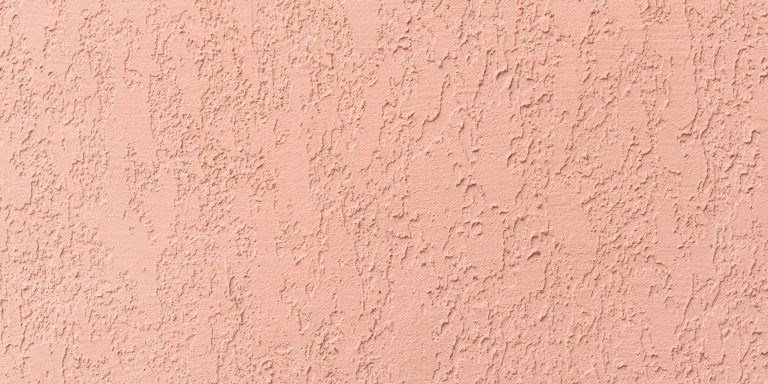
Coral stucco wall texture, peach color background. Abstract grunge artistic backdrop
Outdoor Applications · Design & Durability

Stucco on the Patio: Pros, Cons & What Actually Works Outdoors

Patio stucco is one of the more nuanced applications we’re asked about. It can look exceptional and last decades — or fail within two seasons. The difference comes down to substrate, drainage, and a few installation details that separate outdoor from interior applications.

Kamil — Owner, JARART LLC 6 min read Updated 2026

Stucco is one of the most versatile exterior finishes available — but “exterior” covers a wide range of conditions. A sheltered patio wall under a covered roof is a very different environment from a freestanding garden wall exposed to ground moisture on three sides. Before committing to stucco outdoors, it’s worth understanding which of these situations you’re actually in.

JARART LLC installs and repairs stucco across New Jersey and Pennsylvania, including patio walls, columns, planters, retaining walls, and covered outdoor living spaces. The applications that perform best have specific things in common. So do the ones that fail. This guide covers both.

50+
year lifespan for correctly installed hard-coat stucco on sheltered outdoor structures
#1
cause of patio stucco failure: moisture from below with no drainage provision
10+
years installing outdoor stucco applications in NJ & PA

Where Stucco Works Well Outdoors

Stucco performs well on outdoor structures when the substrate is stable, moisture can drain away from the base, and the structure isn’t subject to constant saturation. The applications where we see consistently good long-term results:

  • Patio walls and privacy screens built on concrete footings with proper grade drainage — concrete or CMU block substrate gives stucco an ideal base, and a footing that sits above grade prevents capillary moisture wicking
  • Decorative columns on covered porches and pergolas — sheltered from direct rainfall, stable substrate, typically excellent performance
  • Exterior fireplace surrounds built on concrete slab or block — heat-resistant stucco mixes are specifically formulated for this application
  • Retaining walls constructed from CMU block — stucco applied over block provides a finished face and additional weather protection; drainage behind the wall must be adequate
  • Planters and garden walls on concrete block construction — with appropriate waterproofing on the interior face and drainage at the base

Where stucco consistently underperforms outdoors: wood-framed freestanding structures in direct ground contact, low-lying walls where water pools at the base, and any structure without a proper footing that separates the stucco base from soil moisture.

The Real Advantages of Outdoor Stucco

Design continuity with the house exterior

For homes with stucco exteriors — which describes a significant portion of NJ and PA housing stock — stucco on patio structures creates visual continuity that no other finish matches. The same texture, color, and material language from the house facade carries into the outdoor living space. This is both a design advantage and a practical one: touch-up materials from the house exterior can often be used for patio maintenance.

Durability on stable substrates

Hard-coat stucco applied over concrete block or CMU on a proper footing is as durable an outdoor finish as exists short of solid masonry. It resists UV degradation better than painted wood, doesn’t rot, doesn’t warp, and doesn’t need repainting on the same cycle as other exterior materials. On a well-built patio wall, a correctly applied stucco finish can genuinely last decades with only periodic caulk maintenance and occasional recoating.

Finish flexibility

Stucco is available in a broad range of textures — from smooth to sand float to heavy dash — and thousands of acrylic color formulations. For a covered outdoor entertaining space where the patio walls are a design element, that flexibility allows the finish to be precisely matched to the interior or landscape design intent. Our stucco painting services can also refresh or change patio wall color when design goals evolve.

Low maintenance vs. alternatives

Compared to painted wood, which needs repainting every 5–7 years in NJ’s climate and is susceptible to rot and insect damage, or brick, which requires repointing over decades, well-installed stucco on a masonry substrate is genuinely low maintenance. Twice-yearly inspection plus periodic caulk attention keeps it in service for generations. For the full maintenance approach that maximizes lifespan, see our guide to extending stucco lifespan.

The Honest Drawbacks

Ground moisture is harder to manage outdoors

On a house exterior, ground clearance requirements (4–6 inches of stucco-to-grade separation) are enforced by building codes and understood by contractors. On patio structures — planters, garden walls, freestanding privacy screens — grade clearance often gets ignored. A patio wall where stucco terminates directly into soil or a planted bed will wick ground moisture continuously. In NJ and PA winters, that moisture freezes and expands inside the stucco, causing spalling and delamination. This failure mode is predictable, common, and entirely preventable with proper detailing at the base of the structure.

Freeze-thaw is more aggressive on exposed structures

A house exterior wall has thermal mass and interior conditioning moderating its temperature. A freestanding patio wall cycles through the full NJ temperature range — from summer highs above 90°F to winter lows below 0°F — with no thermal buffer. This accelerates the hairline cracking that’s a normal feature of hard-coat stucco, and it means that any moisture that does enter the system has more severe freeze-thaw exposure than the same moisture in a house wall. Acrylic EIFS finishes handle this better than traditional hard-coat on exposed outdoor structures due to their inherent flexibility — see our comparison of EIFS vs traditional stucco.

Wood-framed outdoor structures are a poor substrate

Traditional hard-coat stucco applied over wood framing on an outdoor structure — a wood-framed pergola, a gazebo, a freestanding screen wall — faces a substrate that moves significantly with moisture changes. Wood framing expands when wet and contracts when dry; NJ’s seasonal humidity swings are dramatic. That movement cycle creates stress in a rigid cement-based coating that produces surface cracking at a rate much higher than the same stucco on a masonry substrate. For wood-framed outdoor structures, EIFS with its flexible acrylic coats performs better than traditional hard-coat. Cement board stucco — our most impact-resistant system — is also well-suited here, providing a stable rigid substrate independent of wood movement. See our stucco installation page for system specifics.

Pro Tip
Kamil — substrate assessment before any patio stucco project

Before we quote any patio stucco application, we assess the substrate the same way we would for a house exterior — what is it made of, how does it drain at the base, what’s the exposure level. A CMU block column under a covered porch is a simple, reliable application. A wood-framed freestanding privacy screen in an open NJ yard needs a different system specification than the same screen under a covered roof. The application is only as good as the substrate and drainage decisions made before the first coat goes on.

Which Stucco System for Outdoor Use?

Application Recommended System Why
CMU block patio walls, columns on footings Traditional hard-coat Stable substrate, breathable system handles any incidental moisture well
Covered porch columns, sheltered structures Traditional hard-coat or EIFS Either performs well; EIFS gives better crack resistance with limited rainfall exposure
Wood-framed freestanding outdoor walls EIFS or cement board stucco Flexible acrylic coats handle wood movement better than rigid hard-coat
Retaining walls (CMU block) Traditional hard-coat with waterproof membrane on rear face Hard-coat on finished face; drainage and waterproofing on the soil-side face critical
Planters in direct ground contact Hard-coat over block with interior waterproofing Interior face must be waterproofed to prevent soil moisture wicking through block to stucco face
Exterior fireplace surround Heat-resistant stucco mix (Portland cement-based) Standard acrylic finishes are not rated for sustained heat exposure

Why Patio Stucco Fails — and How to Prevent It

Patio stucco failures fall into a handful of predictable patterns. Understanding them before installation is worth far more than diagnosing them after.

Base wicking from soil or planter contact

The most common patio stucco failure we see. The base of the wall contacts soil, mulch, or a planting bed directly. Ground moisture is continuously drawn upward through the stucco by capillary action. In winter, that moisture freezes inside the stucco face and pops the surface off — called spalling. Prevention: concrete footing raised above grade, minimum 4-inch clearance between stucco base and any soil or organic material, base flashing or waterproof termination detail at grade level.

No drainage provision at top of wall

Patio walls that don’t have a coping stone, drip edge, or sloped cap allow rainwater to pool on the top surface and wick downward through any hairline cracks. In an exposed NJ or PA winter, a wall that stays saturated through freeze cycles spalls from the top down. Prevention: every freestanding wall needs a coping or cap detail that sheds water to the sides rather than allowing it to sit on the wall face.

Wrong system on wood substrate

Traditional three-coat hard-coat stucco on a wood-framed outdoor structure that isn’t adequately sheltered will develop pervasive surface cracking within 2–3 NJ winters. The wood moves; the cement doesn’t. Prevention: use EIFS or cement board stucco on wood-framed outdoor structures, or build the structure from CMU block to eliminate the wood movement problem at the source.

Missing caulk at penetrations and transitions

Patio lighting fixtures, outlet boxes, hose bibs, and any object that penetrates the stucco face creates a water entry point if not correctly sealed. Outdoor penetrations are often sealed once and never re-inspected. In NJ, UV and temperature cycling degrade caulk around outdoor penetrations faster than on a shaded house wall. Inspect and replace sealant at all patio stucco penetrations as part of annual maintenance. Our stucco repair services include patio wall re-sealing and surface restoration.

Patio stucco over existing painted surfaces

Applying new stucco over an existing painted patio wall — whether to change texture or cover damage — requires complete removal of any paint, sealant, or coating that would prevent mechanical bond. Stucco applied over paint is guaranteed to delaminate; paint layers do not provide the absorptive surface that new stucco needs to key into. If the existing wall has a painted or sealed surface, the coating must be removed to bare substrate before any new stucco application. This is a labor-intensive step that’s worth doing correctly — shortcuts here produce failures within one season.

Frequently Asked Questions

Can you put stucco on a wood patio wall?
Yes, but the system choice matters. Traditional hard-coat stucco on an exposed wood-framed patio structure will develop surface cracking from wood movement within a few NJ winters. EIFS or cement board stucco — both of which have flexible or rigid non-wood substrates — perform significantly better on wood-framed outdoor structures. If the structure is sheltered (under a roof or covered pergola), traditional hard-coat over properly prepared wood framing with a weather-resistant barrier can work, but a flexible EIFS finish is more forgiving of the substrate movement.
How do you waterproof a stucco planter?
A stucco planter requires waterproofing on the interior (soil-side) face, not the exterior. The approach: CMU block construction, interior face coated with a crystalline or membrane waterproofing product (Xypex, Drylok, or similar), drainage holes at the base, and then stucco applied to the exterior face as a purely decorative-protective finish. Without interior waterproofing, soil moisture migrates through the block and causes the exterior stucco to stay permanently damp — leading to algae, efflorescence, spalling, and eventual delamination regardless of how well the exterior stucco is applied.
Does outdoor stucco need a special mix?
Not for standard outdoor wall applications on masonry substrates — the same Portland cement-based mixes used for house exteriors perform well on patio walls and columns. Exceptions: fireplace surrounds require a heat-resistant mix (high-alumina cement or refractory mortar in the areas subject to heat), and below-grade or ground-contact applications may benefit from a waterproofing admixture added to the base coats. For above-grade decorative patio applications, manufacturer-standard mixes from Senergy-Sika, Dryvit, or Sto are appropriate.
Why is my patio stucco spalling at the bottom?
Base spalling on patio stucco is almost always caused by ground moisture wicking upward through the wall. The stucco base is in contact with soil, mulch, or a concrete slab that retains moisture, and capillary action draws that moisture up into the stucco face. In winter, it freezes and expands inside the surface, popping the finish coat off from below. The repair requires removing the damaged material, addressing the moisture source (raising grade clearance, adding base flashing, or installing drainage), and rebuilding the stucco base with a correctly terminated detail above grade level.
How long does stucco last on a patio wall?
On a well-built masonry substrate with proper base detailing and periodic maintenance, 40–60 years is a realistic expectation. The variables that shorten this: ground moisture contact at the base, no coping or drainage provision at the top of the wall, wood-framed substrate, and deferred maintenance of caulk and surface cracks. The variables that extend it: CMU block construction on a footing above grade, covered or sheltered location, annual inspection, and prompt attention to any caulk or sealant failures.

K
Kamil — Owner, JARART LLC
Stucco & Masonry Contractor · NJ & PA · 10+ Years Experience

Kamil has installed stucco on outdoor structures across New Jersey and Pennsylvania for over a decade — from residential patio walls and columns in Mercer County to commercial and landmark projects including the BAPS Swaminarayan Akshardham Temple in Robbinsville, NJ.

Planning a Patio Stucco Project? Free on-site consultation · Mercer County, NJ & Bucks County, PA
(609) 375-7155
WHAT WE DO ?

Building Your Future Home

Affordable, Effective and Convenient
Painting your Dream

Stucco Instalation

Professionally applied stucco is a key element in enhancing the aesthetics and durability of a building’s facade. The JAR-ART LLC team has extensive knowledge and highly skilled specialists who provide reliable stucco installation and repair services in NJ and PA.

Stone & Masonry

We also work with other materials, such as all kinds of stones and glass. With us, you can receive excellent exterior stone installation and you can also use our expertise for decorations and property improvement projects.


Exterior Painting

The weather here in NJ can take its toll on exterior walls and roofs, and we’re here to help when it’s time to throw up a new lick of paint. Our exterior painting process takes the time consuming nature out of this vital task.


Related Posts